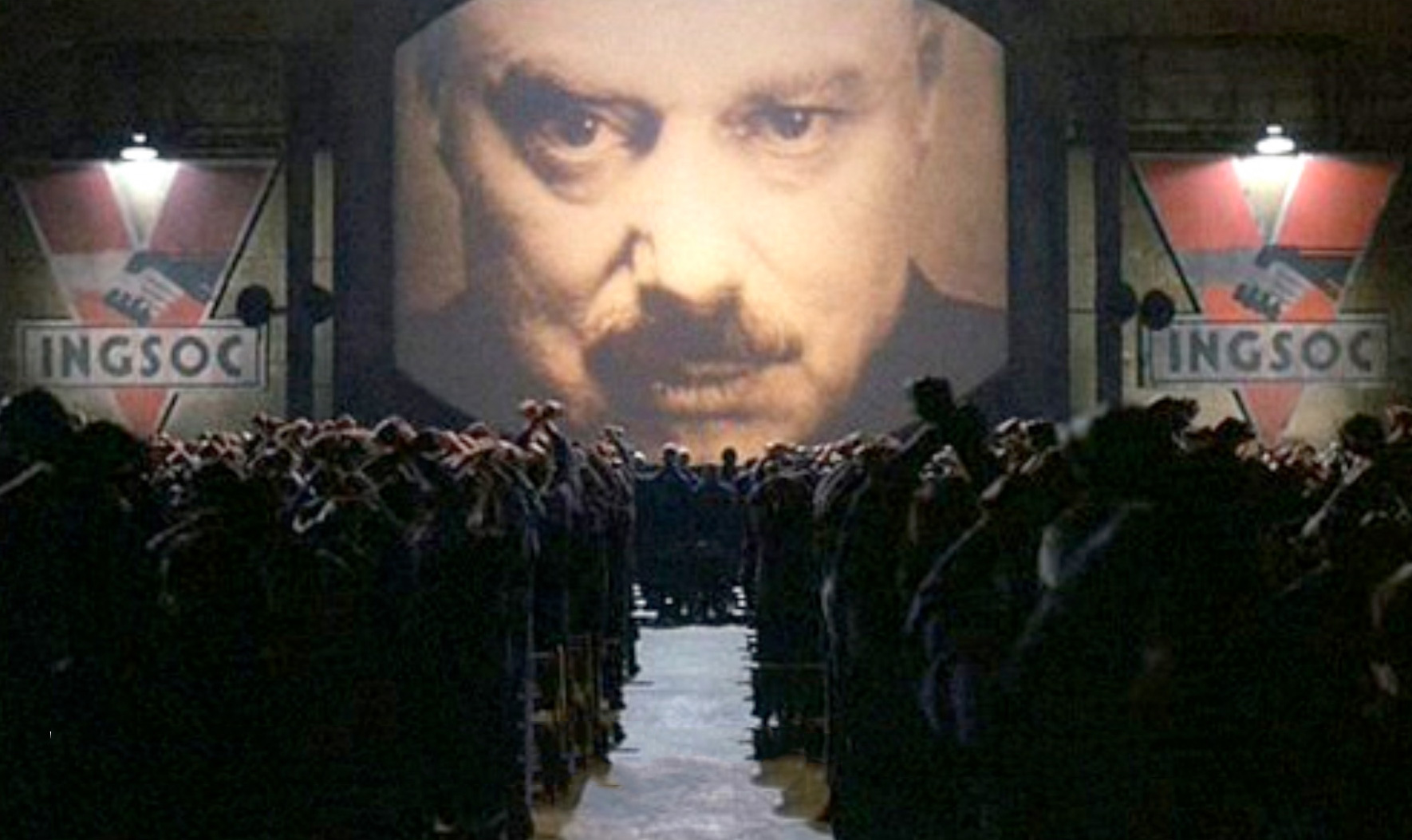
![“Our Heads Are Round so our Thoughts Can Change Direction” [Francis Picabia]](https://foodforthought.barthel.eu/wp-content/uploads/2021/10/Picabia-Francis-Round-Heads.jpg)
The following is a transcript from Chapter 4 of the 1979 book “Rama II”, a science fiction written by Arthur C. Clarke, author of 2001 and other bestsellers.
The similarities to the current global commercial (non-?)crisis are rather frightening and I’d like to leave the following further uncommented.
4 THE GREAT CHAOS
 […] An unrestrained burst of conspicuous consumption and global greed lasted for just under two years. Frantic acquisition of everything the human mind could create was superimposed on a weak economic infrastructure that had been already poised for a downturn in early 2130 . The looming recession was first postponed throughout 2130 and 2131 by the combined manipulative efforts of governments and financial institutions, even though the fundamental economic weaknesses were never addressed. With the renewed burst of buying in early 2132, the world jumped directly into another period of rapid growth. Production capacities were expanded, stock markets exploded, and both consumer confidence and total employment hit all-time highs. There was unprecedented prosperity and the net result was a short-term but significant improvement in the standard of living for almost all humans.
By the end of the year in 2133, it had become obvious to some of the more experienced observers of human history that the “Raman Boom” was leading mankind toward disaster. Dire warnings of impending economic doom started being heard above the euphoric shouts of the millions who had recently vaulted into the middle and upper classes. Suggestions to balance budgets and limit credit at all levels of the economy were ignored. Instead, creative effort was expended to come up with one way after another of putting more spending power in the hands of a populace that had forgotten how to say wait, much less no, to itself.
The global stock market began to sputter in January of 2134 and there were predictions of a coming crash. But to most humans spread around the Earth and throughout the scattered colonies in the solar system, the concept of such a crash was beyond comprehension. After all, the world economy had been expanding for over nine years, the last two years at a rate unparalleled in the previous two centuries. World leaders insisted that they had finally found the mechanisms that could truly inhibit the downturns of the capitalistic cycles. And the people believed them—until early May of 2134.
During the first three months of the year the global stock markets went inexorably down, slowly at first, then in significant drops. Many people, reflecting the superstitious attitude toward cometary visitors that had been prevalent for two thousand years, somehow associated the stock market’s difficulties with the return of Halley’s Comet. Its apparition starting in March turned out to be far brighter than anyone expected. For weeks scientists all over the world were competing with each other to explain why it was so much more brilliant than originally predicted. After it swooped past perihelion in late March and began to appear in the evening sky in mid-April, its enormous tail dominated the heavens.
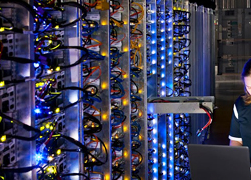
In contrast, terrestrial affairs were dominated by the emerging world economic crisis. On May 1, 2134, three of the largest international banks announced that they were insolvent because of bad loans. Within two days a panic had spread around the world. The more than one billion home terminals with access to the global financial markets were used to dump individual portfolios of stocks and bonds. The communications load on the Global Network System (GNS) was immense. The data transfer machines were stretched far beyond their capabilities and design specifications. Data gridlock delayed transactions for minutes, then hours, contributing additional momentum to the panic.
By the end of a week two things were apparent—that over half of the world’s stock value had been obliterated and that many individuals, large and small investors alike, who had used their credit options to the maximum, were now virtually penniless. The supporting data bases that kept track of personal bank accounts and automatically transferred money to cover margin calls were flashing disaster messages in almost 20 percent of the houses in the world.
In truth, however, the situation was much much worse. Only a small percentage of the transactions were actually clearing through all the supporting computers because the data rates in all directions were far beyond anything that had ever been anticipated. In computer language, the entire global financial system went into the “cycle slip” mode. Billions and billions of information transfers at lower priorities were postponed by the network of computers while the higher priority tasks were being serviced first.
The net result of these data delays was that in most cases individual electronic bank accounts were not properly debited, for hours or even days, to account for the mounting stock market losses, Once the individual investors realized what was occurring, they rushed to spend whatever was still showing in their balances before the computers completed all the transactions. By the time governments and financial institutions understood fully what was going on and acted to stop all this frenetic activity, it was too late. The confused system had crashed completely. To reconstruct what had happened required carefully dumping and interleaving the backup checkpoint files stored at a hundred or so remote centers around the world.
For over three weeks the electronic financial management system that governed all money transactions was inaccessible to everybody. Nobody knew how much money he had—or how much anyone else had. Since cash had long ago become obsolete, only eccentrics and collectors had enough bank notes to buy even a week’s groceries. People began to barter for necessities. Pledges based on friendship and personal acquaintance enabled many people to survive temporarily. But the pain had only begun. Every time the international management organization that oversaw the global financial system would announce that they were going to try to come back on-line and would plead with people to stay off their terminals except for emergencies, their pleas would be ignored, processing requests would flood the system, and the computers would crash again.
It was only two more weeks before the scientists of the world agreed on an explanation for the additional brightness in the apparition of Halley’s Comet. But it was over four months before people could count again on reliable data base information from the GNS. The cost to human society of the enduring chaos was incalculable. By the time normal electronic economic activity had been restored, the world was in a violent financial down-spin that would not bottom out until twelve years later. It would be well over fifty years before the Gross World Product would return to the heights reached before the Crash of 2134.
Food for Tought
Comments welcome
 ATN: Are you afraid that this new environment will bring more low-cost carriers or do you believe that this model does not fit into the African environment?
 Just my idea on that: I truly believe that a small carrier can operate a low cost model. In the beginning the carriers operated large narrow-body like 737-800 or A320 with some 185 seats. More and more, they also operate smaller aircraft like the 737-700 or the A319. And the time the prices were really low are gone as well. In the end you have to cover cost of operations as well as secondary cost like marketing, call center, claims and refunds, taxes and the likes. Not to forget the kerosene as a main cost block, forcing the models to slowly converge. Did I mention Intersky’s regional low-cost operations?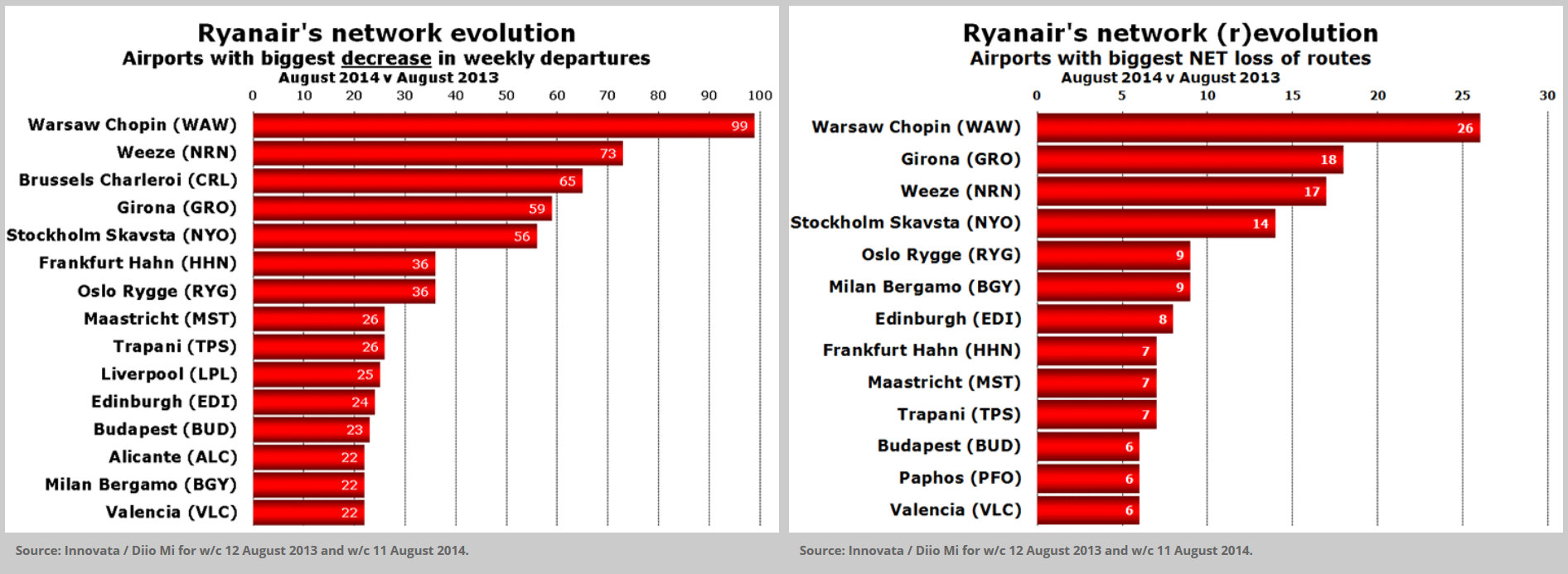
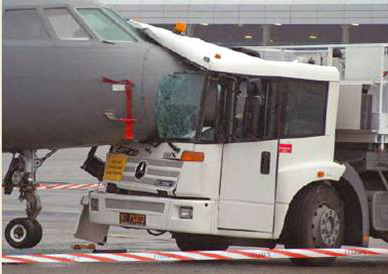
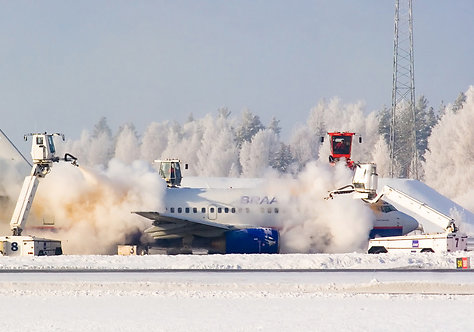
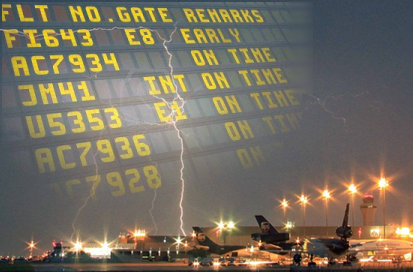
 With increasing legal demand to reimburse passengers on late or canceled flights beyond the value of their net fare they paid, this is were money for the airline is burned. And impact of disruptions and delays at the airport or in the air space may be a nuisance for the work at the airport or the air traffic controllers, but they have a commercial impact on the airline:
 One discussion a few days ago addressed the definition of “departure”. And it is such a basic difference in definition, it hit me like a hammer, making me understand the impact of that different perception! When air traffic control talks about departure, they talk about the take-off of the aircraft (ATOT). When the airline and airports talk about the departure, they often talk about the time, the aircraft leaves it’s parking position at the terminal or on the apron, the off-block-time (AOBT). I had trouble, understanding, why an airport should invest into a “Pre-Departure Sequencer” instead of a DMAN in the delair-definition. The difference is based on the same subtle misperception of departure. The PDS and most “DMANs” out there focus on the TOBT, taking somewhat into account the delivery of the aircraft “in time” to the runway. Based on a rather “static” assumption of ATC capacity. The DMAN in delair perception optimizes the “real” departure. Taking into account minimum separation of aircraft, depending on the Standard Instrument Departure (SID) route and other highly complex parameters, the DMAN calculates the best TOBT. Thus, no matter the general disruptions at the airport and the real throughput on the runway by ATC, it delivers as many aircraft as possible for departure. That maximises the throughput and in turn minimizing the recovery time after general delays or disruptions.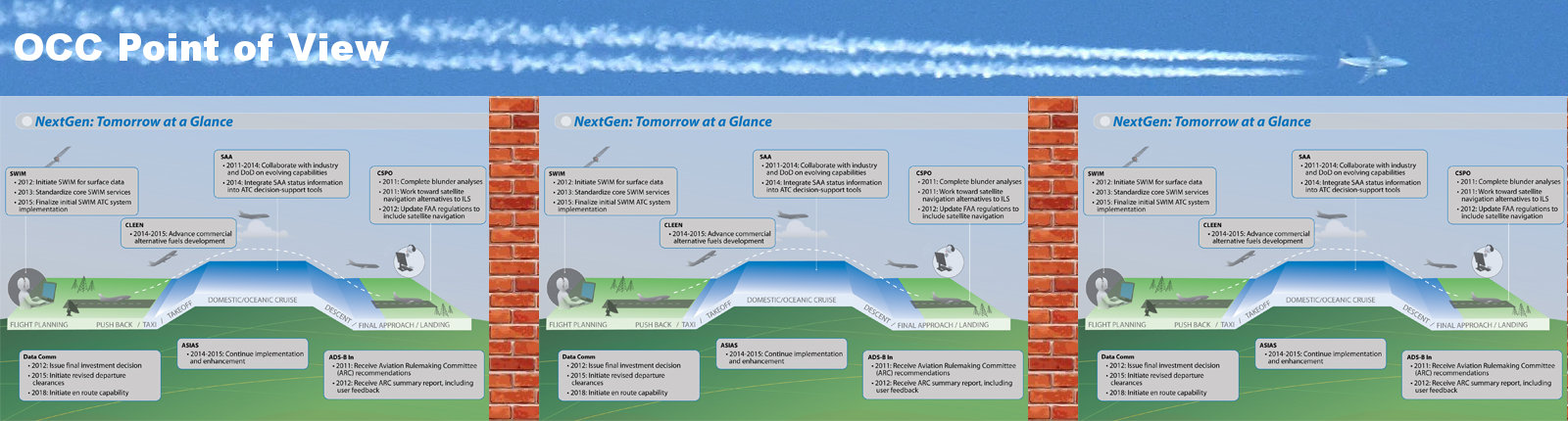
 New Airport Insider recently published a
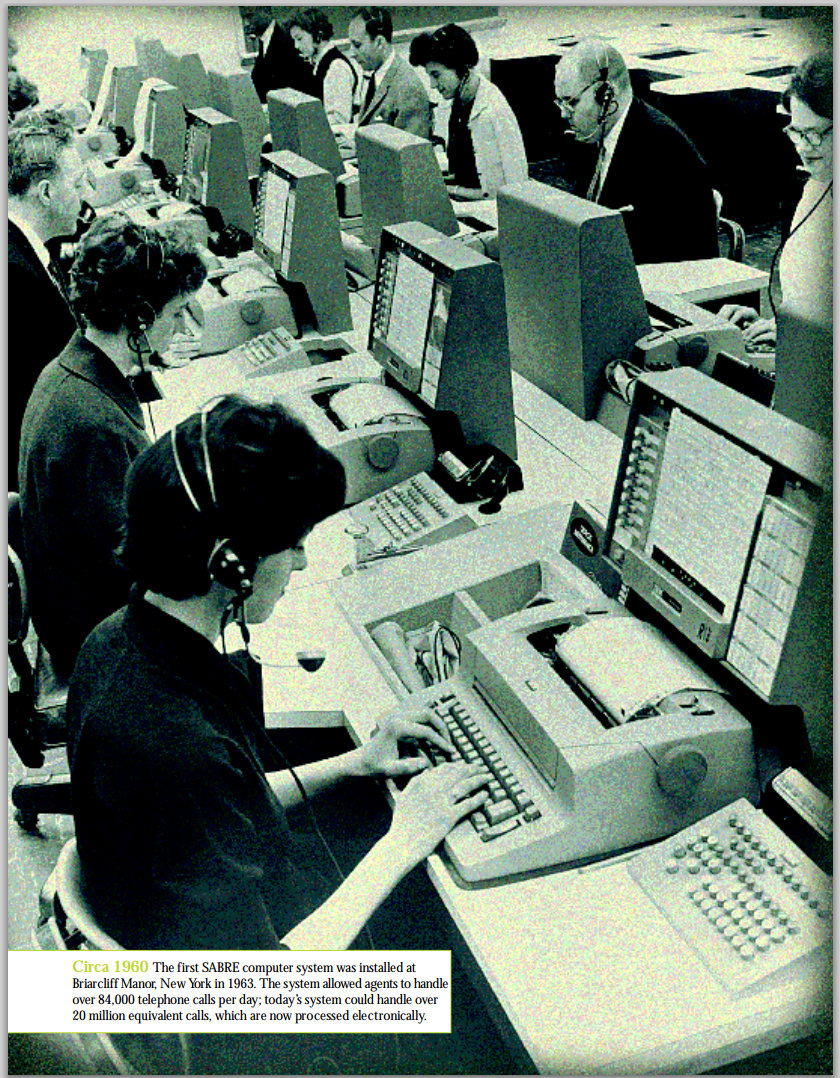
 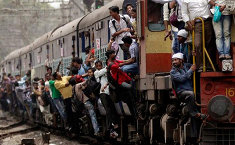 Aside of Germany, France and a handful other nations, train is usually no issue. Within these countries, train is very competitive on the local market, especially the high speed trains like French TGV or German ICE. But now I go abroad. Into another country. I go into any travel agency, even in France or Germany and ask for international travel. Give me a guess: How often will they offer you train, even i.e. Paris-Frankfurt? All they intuitively look for in phase 1 is “flight”. Is the city the client wants to connect to bookable on the GDS (Global Travel Booking System)? If not, the agent (hopefully without showing you) rolls the eyes, curses you and starts looking up how the f*** to get you to that godforsaken town you ask for…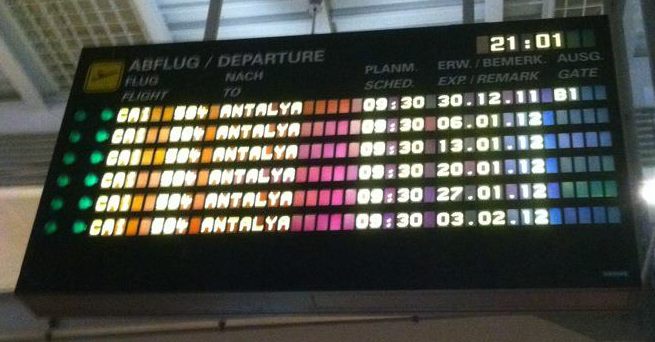
 Likely, not knowing the language, maybe not even the local alphabeth, it’s going to be a taxi or a car from a large (global) rental car company offering navigation system. Or a personal pickup…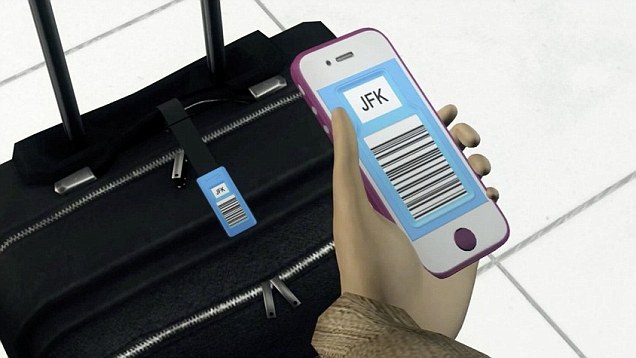
 My former
  And currently, the politicians of the “industry nations” miss to set the right tracks for the future. Would Moscow get the Russian corruption in check, no politicians would dare to challenge the authoritarian regime of this resource rich country. Just as they handle China with velvet gloves, knowing exactly that money rules the world and in the end, if they want to “profit” from the business, they dodge their high moral and ethics first… And aviation is simply a punching ball for them, screaming “noise” and “pollution”, no matter the major, largely unsubsidized developments in quieter and fuel efficient aircraft… Yeah, don’t think, just hit’em and milk’em!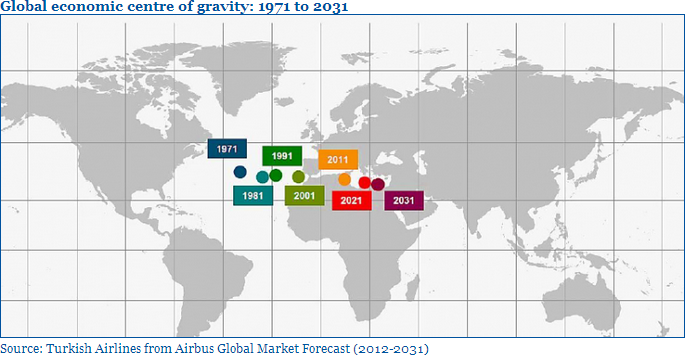

 Just reading with great interest in