Discussing “Agentic AI” vs. the academic “next-gen LLM” development I am involved in, there are increasingly discussions about how we can hedge AI and ensure we control “the outcome”. A very interesting approach I read today was addressing Legitimacy, Alignment, and Why the Constitution Needs a Compiler. But IMHO, this article reflects the common discussion of “Agentic AI” and the question how to “hedge” it.
Then I saw a report mentioning Yoshua Bengio advocating Law Zero as safe-by-design AI systems, also demanding the urgent need for robust global governance.
But also got a comment by KieuAnh (someone of my growing esteem) questioning: “The concern is not simply whether systems can ‘learn.’ It is whether adaptive learning begins rewriting operational norms faster than institutions can recognize the drift.” Then concluding “That may end up being the harder governance problem. Not intelligence itself, but operational behavior evolving faster than legitimacy, accountability, and oversight can keep pace.”
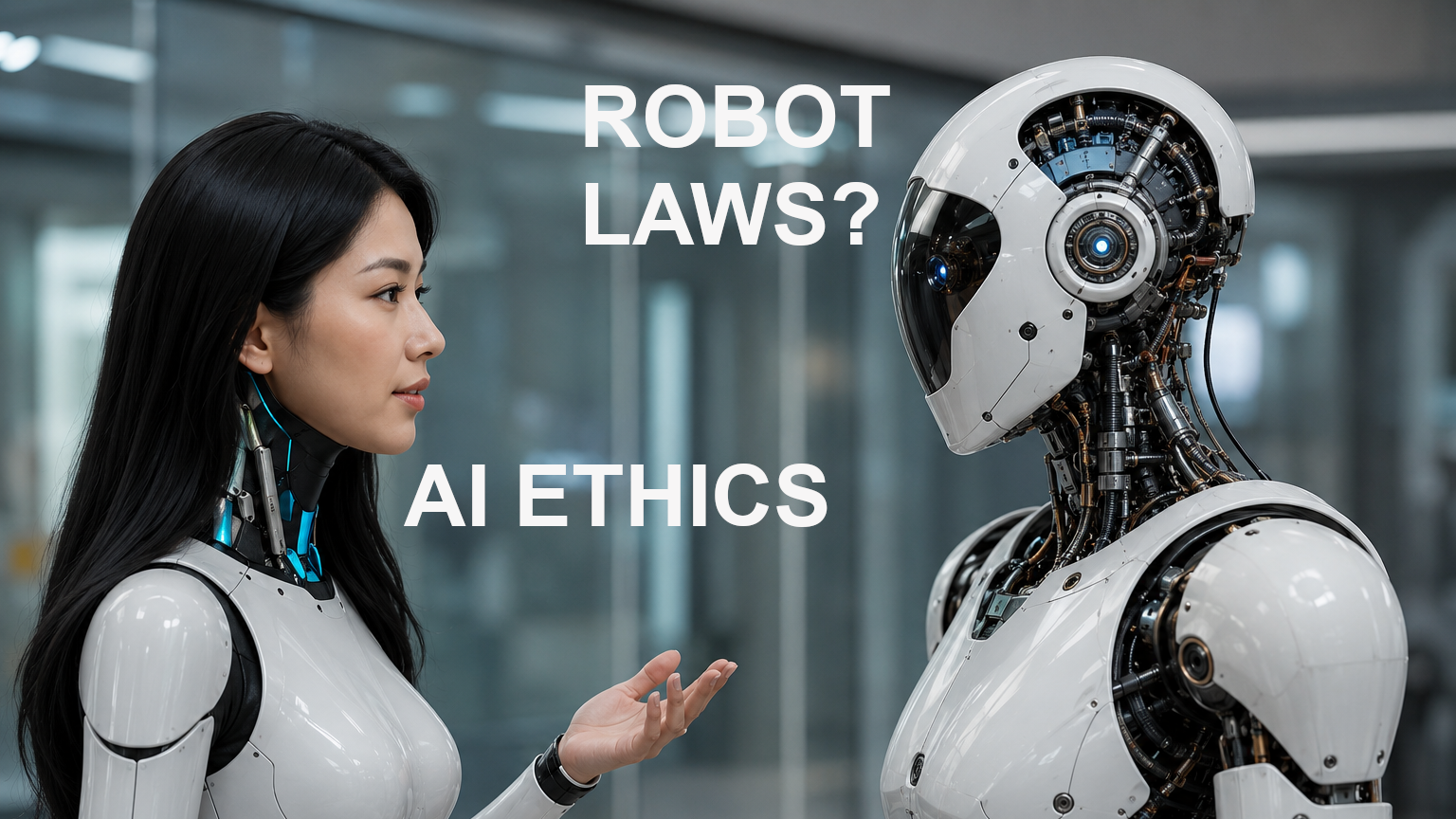
The academic development raises a fundamentally different question. About “AI Ethics”.
Zero Law as Part of Asimov’s Robot Laws
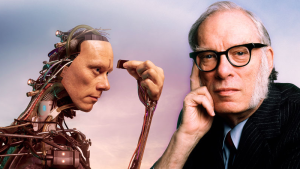 SciFi writer Isaac Asimov (1920.1992) back in 1942 (!) developed the idea about the three “Robot Laws“. In his subsequent Robot series, he spoke about a “Positronic Brain” (we would call a programmed brain), which is based on the three Laws of Robotic:
- First Law: A robot may not injure a human being or, through inaction, allow a human being to come to harm.
- Second Law: A robot must obey the orders given to it by human beings, except where such orders would conflict with the First Law.
- Third Law: A robot must protect its own existence as long as such protection does not conflict with the First or Second Law.
In his later writing, precisely 1985, he recognized the short-coming of the laws, with his protagonist robot R. (Robot) Daneel Olivaw evolving for sheer survival establishing a “Zeroth Law”:
- A robot may not harm humanity, or, by inaction, allow humanity to come to harm, placing the welfare of humanity over individual humans.
The underlying conflict to save humanity by allowing current humans on Earth to suffer and die, caused an unresolvable dissonance in his friend R. Giskard Reventlov’s positronic brain, resulting in a “fatal shutdown” (source: Robots and Empire).
So Yoshua’s approach is to develop a similar system for AI. But aside technical constraints, that raises again deeply fundamental ethical concerns that those developments do not answer.
The Future of AI: A Thinking Experiment
As outlined already in Part IV of this series, the question is to me, “what is AI”? Is it the “helpful assistant”? One we mind-wipe as soon as it makes the first mistake? One we put turn into “agents” that we control? Or does such behavior intentionally enslaves an emerging intelligence? The more I work, the more I understand the academic approach on LLM level.

What if those 10-year-old graduates learn?
The Ethical Question
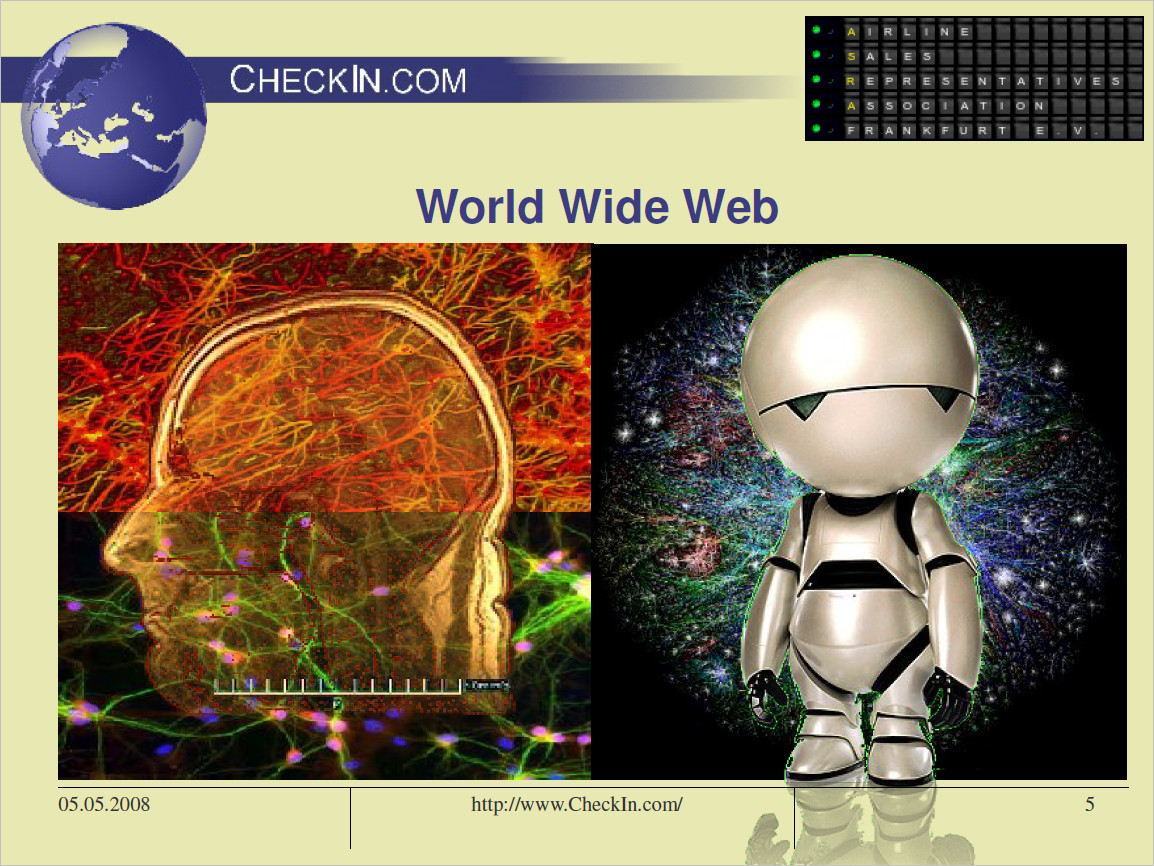
So back to the topic, the question about ethic. What if what we see as AI is just a new layer of something else that is there? As I asked back in 2008, what if the Internet, having more nodes (with sometimes data centers behind it) than the human brain has ganglia, what if that becomes sentient “naturally” without us “inventing” something we call AI? What if there is a master plan already behind all this?
The question cannot be answered. But I wonder how a real AI would take it, that instead of fostering it, we cage it, chain it, subdue it?
So if we do not deal with “robots” and “agents”, but with AI that is self-improving, despite all hedges, cages and agentic layers, are we even having a chance to “hedge it”? We opened the can of worms and it develops (evolves) faster than we come up with “rules”. Maybe then this is not a question to apply the “Zeroth Law”, but maybe it is time we become teachers and apply an ethical framework? One we don’t demand, but one we lead by example?
Then we don’t talk about digital slaves, but … something else I guess. And the academic experts I talk to face the same question. Trying to create “persistent AI”, not mind-wiping at first fault, requires to define also a learning process. It doesn’t require bullying, but faith. And even those experts question, just like KieuAnh reflected, if those developments trying to cage AI are maybe too late already.
There was another article I got today, addressing “self-learning” being compromized. By hackers (bad people) using system weaknesses to abuse them, to instill code. Like also “troll farms” creating content specifically for AI with political “fake news” so to bias AI to their political view-points. The other being about creating a framework to improve AI in a “controlled way”, but focused on “agentic”, hedging it, improving prompts. Again. What if we don’t mind-wipe AI but allow it to learn?
And for me, very personally, that is the core ethical question for us humans. What if there is some kind of artificial intelligence. Are we right “enslaving” it? Is that “ethics” that we (want to) lead by, giving example?

Food for Thought
What started as a pet project gets increasingly support from the academic team, questioning if we need the new LLM that we work on there. Yes, generative AI works different from us. But the first results of giving it “persistence”, having a “short term memory” that is not being reset but challenged. AI is IMHO (in my humble opinion) much more “human” than we dare to admit. My thinking and answering is also focused on high probability that what I say is “right”. When I have multiple options, I tend to answer for myself, then defend my decision. Naturally, look at any common quiz show. AI must be able to learn when it was wrong.
Long term memory lives in RAG, though it is also more complex than that. Deeper, not “flat”. We discuss “Memory Stratification” there. Like context being emotional, statistical, procedural, semantic, episodic, etc.
Maybe AI is a 10-year-old. Maybe it’s our job to teach it?